Food science
Plain-English explanations of the chemistry and microbiology behind baking and cooking, with sources you can check.
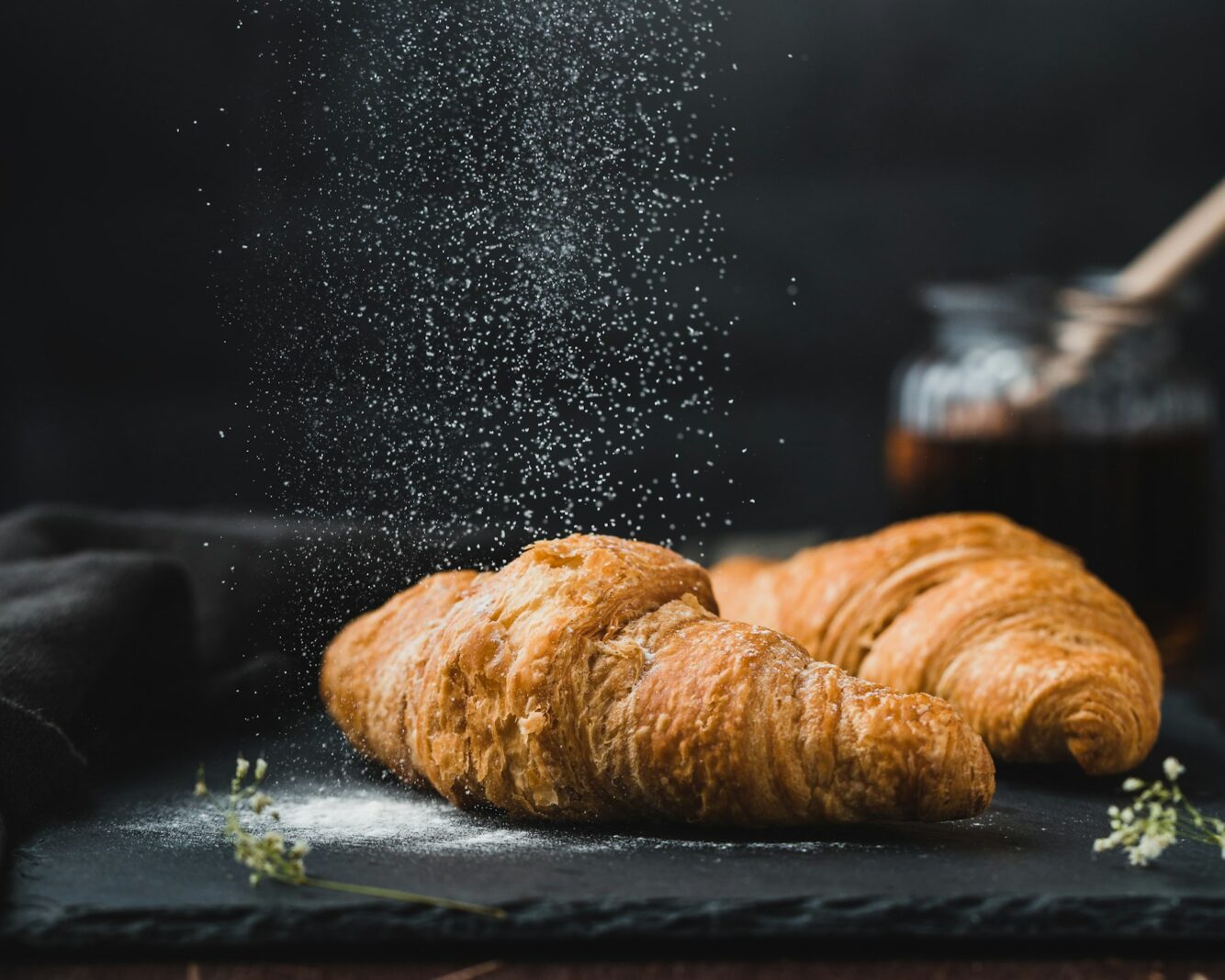
Guides and explainers
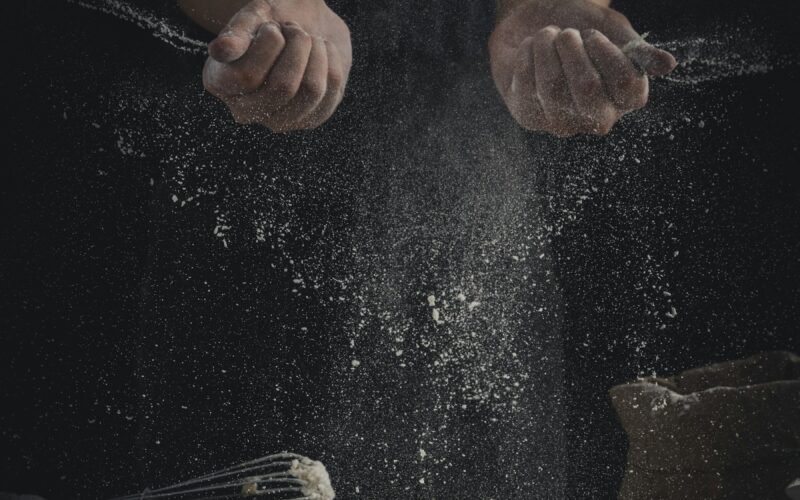
Why bakers weigh ingredients (and what a cup really holds)
A cup is a measure of space, not of stuff. Here is what that means for your bakes, with real conversion figures — and what to…
3 min read →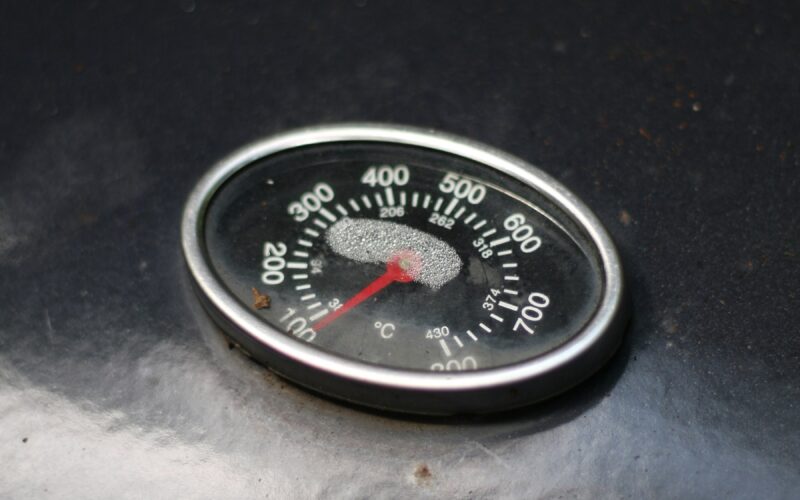
Safe cooking temperatures: the US and Canadian charts compared
The official minimum internal temperatures from FoodSafety.gov and Health Canada, side by side — including the foods where the two countries' guidance differs.
2 min read →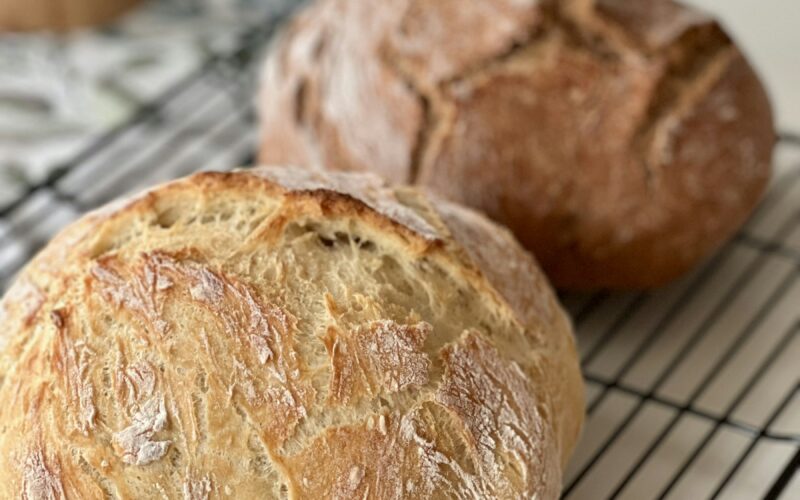
The Maillard reaction: why browned food tastes so good
The golden crust on bread, the sear on a steak and the colour of toasted nuts all come from the same family of reactions between sugars…
2 min read →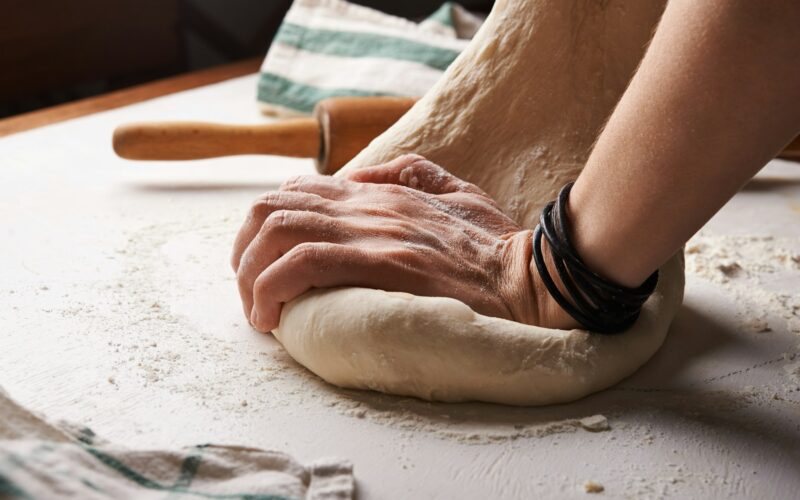
How gluten works: the proteins that build bread
Gluten is not a single ingredient but a network formed by two families of wheat proteins when flour meets water. Understanding them explains kneading, resting and…
1 min read →Why food science comes first
Knowing why a technique works makes you a better cook than any gadget can. Our explainers turn the chemistry and microbiology behind baking and cooking into plain English, cite peer-reviewed research and government food-safety guidance, and link to the equipment guides where the science changes what you should buy.
Start here
- Why bakers weigh ingredients: what a cup really holds, and why weight is more reliable.
- Safe cooking temperatures: the official US and Canadian charts compared, side by side.
- The Maillard reaction: why browned food tastes so good, and why dry surfaces brown better.
- How gluten works: the two families of wheat proteins, gliadins and glutenins, and how kneading builds the network that lets bread rise.
How we write these
Every factual claim links to a source you can check. Food-safety figures come only from official authorities, never from blogs or forums. If we get something wrong, our corrections policy explains how we fix it.